Fun Ways to Introduce Generative AI for Kids Through Art and Stories
Generative AI for kids is officially turning playtime into plot twists, music into mini-movies, and imagination into unstoppable chaos… and we’re here for it! When I first started exploring generative ai for kids, I realized something powerful—children don’t see technology the way adults do. They don’t see tools, screens, or systems. They see ideas, fun, and possibilities. For them, artificial intelligence feels less like software and more like magic.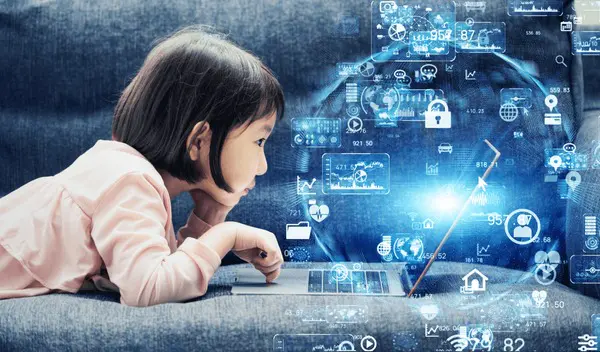
I’ve always believed that stories shape how we understand life, and now AI is simply giving kids a new way to create, imagine, and express human thought. Storytelling can inspire kids to think differently, feel deeply, and take creative action. With generative AI, this inspiration is amplified—helping children explore new perspectives, evoke emotions, and motivate them to bring their ideas to life. From cave walls to digital images, storytelling has always been part of the human experience—just in many forms.
This blog is my attempt to show how we can use generative ai for kids to nurture creativity through art, storytelling, and engaging stories—without fear, pressure, or complexity.
What is Generative AI for Kids?
When I explain generative ai for kids, I avoid technical definitions. Instead, I say this: “AI is like a smart helper that learns from many stories, pictures, and words, then helps you make your own.”
At its core, artificial intelligence learns patterns from many stories, language, and real life experiences. But unlike humans, it doesn’t feel. That’s why human thought still matters most.
I often remind parents that AI is closely related to creativity—but it can’t replace imagination. Kids bring emotion, curiosity, and personal meaning. AI simply supports the process.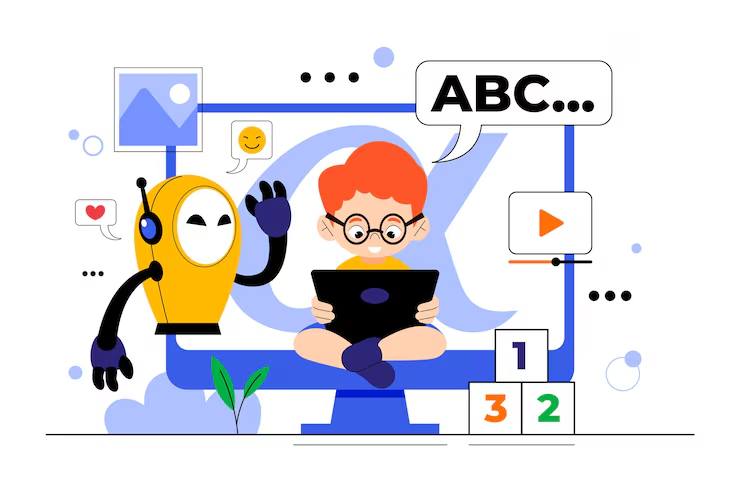
Before screens, before books, even before writing, there was oral storytelling. Long before keyboards existed, humans told tales around fires, passing wisdom through the oral tradition.
I love reminding kids that storytelling didn’t start online—it started with voices, gestures, and memory. Organizations like the national storytelling network celebrate this legacy, proving that telling stories connects us across time, culture, and history.
Storytelling helps kids:
Understand events
Learn conflict resolution
Make sense of the world
Share lessons from real life
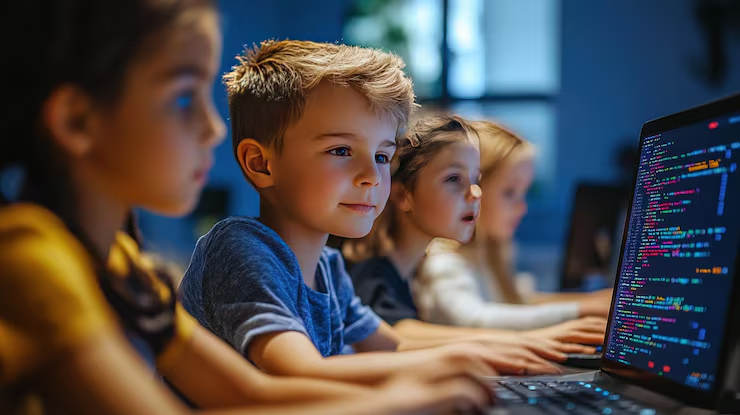
5 Fun Ways to Introduce Kids to Generative AI
When I introduce kids to AI, I never start with rules—I start with play. Learning sticks when it’s fun.
1. AI Art Creation
Kids describe fantasy scenes, and AI turns words into images.
2. AI Storytelling
Children create stories while AI helps with structure and flow.
3. Doodle-to-Art Magic
Hand-drawn sketches become polished art forms.
4. AI Music Experiments
Kids explore sound, rhythm, and music creatively.
5. Mini AI Projects
Comics, galleries, and short novel ideas come to life.
Each activity supports creativity while teaching modern storytelling techniques.
Create AI-Assisted Art with Your Kids
One of my favorite starting points is AI-assisted art. Kids describe a world, and AI helps visualize it. This instantly boosts confidence.
I’ve seen kids turn simple ideas into entire scenes filled with characters, emotion, and mood.
Combining Hand-Drawn Art + AI
Kids draw first. AI enhances later. This teaches that technology supports creativity—it doesn’t replace it.
Art has always existed in many forms, from paintings to sculpture to digital design. AI is just one of many other art forms kids can explore.
Bring Stories to Life with AI Storytelling
I truly believe storytelling is a superpower. With AI, kids can explore narrative structure without feeling stuck.
Using ai generated stories, kids learn about:
Beginning, middle, and end
Plot points
Cause and effect
Start with Character Creation
Strong stories begin with strong character backstories. Kids design a protagonist, a challenge, and a goal.
Let Kids Guide the Plot
AI may suggest ideas, but kids decide the answer to what happens next. This builds storytelling skills naturally.
Best AI Story Generator Tools for Children

Every good story—whether sci fi, fantasy, or realistic fiction—has essential story elements:
Narrator
Dialogue
Themes
Scenes
Conflict and resolution
AI helps young writers experiment with these elements safely and playfully.
Turn Doodles into Masterpieces with Generative AI
I’ve watched kids who once said, “I can’t draw,” suddenly feel proud when AI enhances their doodles. That confidence is priceless.
Doodles turn into:
Comics
Posters
Illustrated tales
This shows kids that art doesn’t need to be perfect—it needs to be expressive. This activity often creates emotional breakthroughs. Kids who believe they “can’t draw” suddenly feel proud when their doodle transforms into something beautiful. That pride changes how they view their abilities. They begin taking creative risks without fear of failure. I’ve noticed that this confidence often transfers into other areas—writing, speaking, and problem-solving. Generative AI becomes a bridge that helps children trust their ideas and recognize that creativity comes in many forms, not just technical skill.
Teaching Kids AI Through Creative Projects

I genuinely prefer hands-on projects over lectures because creativity always teaches better than rules. When kids actively create something, AI stops being an abstract concept and becomes a practical tool they understand through experience. Creative projects allow children to connect ideas with action, making learning feel purposeful rather than forced. I’ve noticed that when kids work on AI-based comics, short films, or illustrated stories, they remain focused for longer and feel proud of the final result. These projects also help children understand how AI supports creativity instead of replacing it, reinforcing confidence and curiosity through exploration.
Weekly AI Challenges
Weekly AI challenges keep excitement alive and prevent learning from feeling repetitive. I like to give kids small, playful challenges—creating a mystery story one week, an adventure or fantasy tale the next. This helps kids explore different genres while understanding how narrative structure changes with themes and tone. These challenges also teach adaptability. Kids learn that the same AI tool can produce many outcomes depending on imagination and prompts. Over time, they become more intentional storytellers, experimenting with dialogue, characters, and scenes while building strong storytelling skills naturally.
Build an AI Art Museum
At home, I’ve seen parents display AI art like a gallery, and the impact is powerful. When kids present their AI-generated artwork on walls or screens, they step into the role of a storyteller. They explain ideas, meanings, and emotions behind each piece to an audience. This builds confidence and communication skills. The “AI Art Museum” concept also validates creativity—kids feel their work matters. It transforms learning into a shared family experience and encourages reflection, pride, and deeper emotional connection to their creations.
Interactive Storytelling and Collaboration
Interactive storytelling and collaboration are at the heart of what makes stories so powerful and memorable. From the earliest days of the oral tradition—when tales were shared on cave walls or around a fire—storytelling has always been a shared, dynamic experience. The National Storytelling Network celebrates this legacy, reminding us that engaging stories are born when storytellers and listeners connect, respond, and create together.
When kids work together to create stories, they learn that storytelling is more than just words on a page—it’s about sharing ideas, building worlds, and exploring different genres as a team. Collaboration encourages young writers to experiment with narrative structure, plot points, and character backstories, all while developing essential storytelling skills like dialogue, pacing, and conflict resolution. Whether through oral storytelling, music, images, or other art forms, interactive storytelling helps kids make sense of real life and the human experience.
Generative AI is opening up even more possibilities for interactive storytelling. With AI-generated stories, children can co-create tales with artificial intelligence, using many tools to spark new ideas, develop characters, and explore creative writing in fun and unexpected ways. AI can suggest story elements, help with world-building, or offer prompts for different genres—sci-fi, fantasy, historical fiction, and more—while kids remain the true storytellers, guiding the narrative and making every story their own.
Collaboration can take many forms, from group storytelling games and role-playing adventures to improvisation and audience participation. These activities invite everyone to become a narrator, a protagonist, or even a mythical creature, making the process of telling stories lively and engaging. By using art, music, and language, kids can create scenes, dialogue, and themes that resonate with their audience, turning simple ideas into memorable tales.
Interactive storytelling also helps kids learn important lessons about empathy, teamwork, and culture. As they listen to each other’s stories and contribute their own, they gain a deeper understanding of different perspectives, histories, and myths. This sense of shared creation not only inspires creativity but also builds confidence and a love of learning that lasts a lifetime.
By blending the best of oral tradition, creative writing, and generative AI, interactive storytelling and collaboration empower kids to explore, create, and connect. Whether they’re drawing on cave walls, performing music, or crafting a novel with AI, children discover that storytelling is a vital part of life—one that brings people together, celebrates culture, and inspires the next generation of storytellers.
Safe AI Tools for Kids: Parent's Guide
Parents often worry about safety, and rightly so. A clear course-style parents guide helps families understand how ai works and how to choose wisely from many tools available today. The goal is to ensure kids learn responsibly while exploring storytelling, writing, and creativity. Look for platforms that encourage telling stories without exposing children to harmful content or dry facts. Safe tools support learning through fun, creativity, and guidance rather than unrestricted access. When used mindfully, artificial intelligence becomes a powerful learning companion instead of a risk.
Parents often worry about privacy and safety when kids use AI, and those concerns are completely valid. A strong parents guide focuses on clarity, not fear. When selecting safe AI tools for children, I always look for platforms designed specifically for kids, with built-in content filters and clear usage policies. Adult supervision is essential, especially during early use. Setting basic boundaries—like time limits and prompt guidance—helps children explore safely while still enjoying creative freedom.
Mini Safety Checklist
Uses child-safe platforms only
Strong content filters enabled
No personal data required
Clear parental supervision rules
Age-appropriate creative controls
How to Explain Generative AI to Your Child
Creative projects give learning a sense of purpose. When kids work toward a final outcome—a storybook, comic, or presentation—they stay engaged longer. I’ve seen children eagerly explain their projects, becoming storytellers in their own right. These projects also encourage collaboration and communication, especially in classrooms or family settings. Kids learn to listen, share ideas, and respect different perspectives. These soft skills are just as important as creativity and will support children throughout life.
When I explain AI to kids, I compare it to a helper that learns from many stories and gives suggestions, not answers. I tell them AI doesn’t think—it reflects patterns of human thought already created by people. Kids quickly understand when examples are tied to real life situations. Explaining narrator, beginning, and structure helps kids grasp how stories work. This method makes story elements easier to understand and keeps learning grounded. Children learn that technology supports creativity but doesn’t replace imagination or personal voice.
AI Music & Video Creation for Kids
Music introduces emotional awareness into storytelling. When kids experiment with sound, they begin understanding how tone affects mood and meaning. A happy tune creates excitement, while a slow melody adds depth. This helps children connect emotionally with their stories. Narration combined with music also improves speaking confidence and expression. Kids become more aware of pacing, pauses, and emphasis. These skills strengthen communication and storytelling ability in both creative and real-life situations.
Music and video bring stories alive in powerful ways. When kids experiment with music, narration, and visuals, they learn how tone affects emotion and meaning. A single word, pause, or sound can change how a listener feels. This builds confidence in communication and expression. Video storytelling also helps kids understand pacing, sequencing, and presentation. These creative experiences help children become thoughtful creators rather than passive consumers, strengthening both artistic and emotional intelligence.
Benefits of Generative AI in Children’s Learning
What excites me most about generative AI in children’s learning is how it nurtures independence. Kids stop waiting for instructions and start exploring on their own. They test ideas, observe results, and refine their thinking. This process builds resilience and adaptability. Over time, children develop a growth mindset, understanding that learning is a journey, not a fixed outcome. These habits extend far beyond storytelling, supporting academic success and lifelong curiosity.
What excites me most is how AI encourages kids to explore, create, and reflect. Children learn lessons through experimentation—what works, what doesn’t, and why. They learn that mistakes aren’t impossible failures but stepping stones. Over time, kids begin to ask better questions, seek meaningful answers, and develop curiosity. These habits shape young writers, thinkers, and creators who understand how stories reflect history, myths, and the shared human experience across generations.
Ethical Use: Teaching Kids About AI Responsibility
Ethics becomes meaningful when connected to real situations. I often use storytelling scenarios to explain responsibility—what if someone copied your story or used hurtful words? Kids immediately understand fairness and empathy when it feels personal. Teaching ethical AI use early helps children develop digital awareness and kindness. They learn that tools are powerful and should be used thoughtfully. This foundation prepares them to navigate technology responsibly as they grow.
Ethics becomes relatable when connected to stories. I often use an example—what if someone copied your story or changed it unfairly? Kids immediately understand responsibility. Teaching ethical AI use early builds respect for originality and fairness. Children learn that stories carry lessons, values, and emotions. When kids understand this, they treat creativity with care. This foundation prepares them to use technology thoughtfully, respecting both people and creativity throughout life.
Conclusion: Helping Kids Grow Through AI-Powered Storytelling
As I reflect on everything we’ve explored, one thing feels very clear to me—when kids learn through creativity, learning truly stays with them. Blending storytelling with AI isn’t about replacing imagination; it’s about giving children new ways to express it. From building characters and worlds to experimenting with music, images, and narration, kids learn how ideas turn into meaningful stories.
I’ve seen how this approach builds confidence, curiosity, and communication, all while keeping learning fun and personal. Most importantly, children begin to understand that technology is a tool guided by human values, emotions, and responsibility. When we teach AI with care, creativity, and ethics, we empower kids not just to consume content, but to create with purpose. Whether at home or in classrooms, storytelling through AI becomes a bridge—connecting imagination, learning, and real-life skills. And for me, that’s the true win: raising thoughtful, creative, and confident young storytellers ready to shape their own world.