How Kids Can Use AI for Homework (The Right Way)
Helping my cousin tackle tricky science concepts, I discovered that "AI isn’t just a shortcut — it’s a smart, supportive study buddy!" Artificial intelligence is now a huge part of how kids learn, revise, and complete schoolwork — and when used the right way, it can be a game-changer. Today’s students are surrounded by tools that offer AI homework help, from apps that explain tough concepts to smart platforms that give detailed explanations and step-by-step guidance. But as exciting as this is, the big question parents often ask is: How can kids use these tools responsibly? Because when used incorrectly, homework helpers considered cheating can easily replace learning instead of supporting it. As an educator and content creator who works closely with young learners, I’ve seen firsthand how AI homework helper tools can help students study smarter — and also how quickly they can turn into shortcuts.
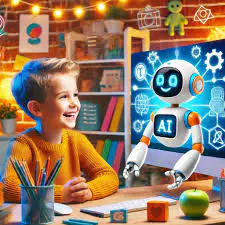
This blog will help kids, parents, and teachers understand how AI homework help fits into modern education. Think of this as a balanced, honest guide to using AI for schoolwork while protecting real learning, curiosity, confidence, and independent skills. Whether your child is in elementary school, middle school, or preparing for exam prep, the goal is simple: let AI empower kids — not replace their thinking
Introduction: The AI Revolution in Education
We are living through a dramatic shift in how kids learn, thanks to enormous growth in ai tools and digital educational platforms. In 2024–2025, more students than ever before now turn to an AI homework helper when they’re stuck. These tools have transformed traditional learning routines by providing instant help when kids hit a wall while doing assignments. Students can simply upload pictures of tricky equations or confusing diagrams, and the AI breaks everything down with easy-to-follow step by step explanations. Apps like Photomath, ChatGPT, and Khanmigo blend supportive tutoring with child-friendly explanations. They don’t just give direct answers — they show the logic behind them, making learning deeper and more meaningful. This is especially useful in elementary school, where kids may need extra visuals or simpler words to understand beginners’ material.
With all these advantages, it’s natural for parents and teachers to wonder how these tools affect attention, retention, and honesty. Some worry that students might use ai homework solver apps to bypass learning entirely. But banning technology rarely works — instead, we must encourage responsible use. When teachers incorporate AI into lesson plans, it creates opportunities to teach ethical and critical thinking. Responsible use of AI promotes deeper understanding of key concepts, especially when children are struggling with certain topics. Instead of feeling overwhelmed, kids gain confidence and the ability to navigate difficult concepts on their own. With consistent guidance from adults, AI becomes a positive and meaningful addition to education rather than a replacement.

What is AI Homework Help?
AI homework help for students refers to digital systems powered by artificial intelligence that guide kids through homework problems, study questions, and curriculum-based tasks. These tools understand student queries through natural language processing, making them feel like friendly, patient study companions. Whether a student needs help with science, reading comprehension, writing, or analyzing historical events, an AI study assistant can support them through every step. Some tools are specifically designed as an ai homework solver for math, offering detailed solutions for equations, geometry, graphs, and more. Others focus on language learning or explaining various types of academic topics. They help students find clarity by breaking down hard topics into digestible pieces.
The key distinction is between tools that enhance learning and those that provide instant results without teaching the process. Good AI homework help tools encourage active thinking by giving step by step explanations instead of simply offering a final answer. They can support learners by clarifying key concepts, guiding them through lesson summaries, and helping with essay writing. When kids understand the logic behind each step, they build strong foundations for future academic growth. The best tools empower curiosity, strengthen content retention, and help students navigate new school challenges. AI becomes a safe space for students to explore subjects like math, science, and history without fear of judgment or embarrassment. The guidance they get helps them practice and strengthen real-world comprehension, not just homework accuracy.
Why AI Tools Are Beneficial for Kids
When used intentionally and responsibly, AI becomes one of the most powerful tools available for students today. Children across different age groups—from elementary school learners to those preparing for college—can benefit from student AI tools that help them grasp difficult concepts. These tools provide constant academic support so kids are never stuck without guidance. As a result, frustration decreases, and confidence grows. For example, a child working through math problems might feel lost until the AI breaks everything down into small, easy pieces with detailed explanations. Young learners also appreciate the flexibility—AI is always available, especially when parents and teachers are unable to offer immediate assistance.

The RIGHT Ways to Use AI for Homework
Helping students build healthy habits with AI ensures long-term academic success. These guidelines are designed to teach kids the responsible and effective use of AI so they learn meaningfully. When children understand how to use AI for ethical AI use homework, it empowers them to use technology as support rather than a shortcut. Parents, teachers, and students all play important roles in building these productive habits. A thoughtful approach encourages the mindset that AI is a partner in learning—not a replacement for actual effort. It’s the same way calculators, dictionaries, and reference books once supported education. AI simply adds a modern twist with deeper guidance.
Students should always begin by attempting questions themselves. Only after genuine effort should they turn to an AI homework helper for clarification. When kids see AI as a referee, not the main player, they develop both independence and confidence. The tips in this section turn AI into a secure, structured, learning-enhancing tool for every subject. Responsible AI usage helps students strengthen thinking skills, improve retention, and avoid dependency.
Use AI to Understand Concepts, Not Just Get Answers
SAI should help kids comprehend ideas deeply, not just complete tasks faster. When using tools like an AI homework helper, it’s best to ask questions such as: “Explain why this solution works,” or “Break this homework question into smaller steps.” Prompts like these encourage students to value understanding over speed. By focusing on concepts, kids build academic resilience, which becomes essential in exams and real-world learning. This nurtures curiosity and a genuine love for knowledge.
Every time students use AI homework help thoughtfully, their minds learn patterns and reasoning that strengthen recall during exams. Instead of getting lost in formulas or overwhelmed by tough concepts, AI becomes a friendly bridge that simplifies complicated ideas. When children embrace concept-based learning, they stay motivated even when topics get harder. This habit builds a strong academic foundation across science, math, and history, ensuring long-term success.

Break Down Complex Problems with AI
I remember when I was helping my younger cousin with her math problems, she felt overwhelmed by multi-step equations and word problems. That’s when I introduced her to an AI homework solver. I showed her how to simply upload a picture of her homework question, and the AI would break it down with step by step explanations. Instead of feeling defeated, she could now tackle each step individually. She said, “I feel like I can finally manage tough concepts!” Using AI this way doesn’t just give direct answers — it gives clarity, builds understanding, and teaches the process behind each solution. The sense of accomplishment she felt after completing her homework problems was priceless.
Many students struggle not because they are incapable, but because complex tasks feel overwhelming. AI can decode these challenges by breaking them into clear steps. When using an ai homework solver, students can simply upload pictures of math problems, diagrams, or text-based questions. The AI then dissects the task, offering step by step explanations that make tough material more approachable. This helps kids absorb material piece by piece, rather than feeling drowned in information.
Understanding each stage of a problem encourages analytical thinking. Whether dealing with stem problems, long word problems, or detailed explanations in science, AI ensures that learning is manageable and structured. This practice builds a mindset that large assignments can always be divided into smaller, achievable tasks. Students develop strong planning habits, which pay off during exam prep and future academic projects. AI becomes a learning guide rather than a shortcut.
Use AI as a Study Buddy, Not a Replacement

I’ve noticed some kids mistakenly treat AI as a magic tool that can do busy work for them. I make it a point to show them that AI works best as a kids AI study tool, not as a replacement for effort. For example, my niece used to try getting instant solutions for her history essays. I encouraged her to ask AI to provide detailed explanations of historical events instead. This way, she could write her essays herself while still benefiting from AI homework help to understand context, facts, and timelines. Over time, she realized she could study smarter, not harder, and still submit high-quality work.
AI can act as a study buddy by generating practice questions, summaries, and revision tips. I often tell students: “Use AI as your partner in understanding key concepts, not as a shortcut to direct answers.” This is especially useful for exam prep, essay writing, or reviewing lesson plans. When used correctly, AI helps students take ownership of their learning. They still write their own essays, solve their math problems, and answer questions in their own words. But with AI’s guidance, they gain confidence, reduce frustration, and develop lifelong skills for independent learning.
Verify AI Answers with Multiple Sources
I always emphasize this with students: AI isn’t perfect. One day, while helping a student solve science homework problems, we noticed a minor inconsistency in the AI’s solution. I used that as a teaching moment, saying, “This is why you always verify AI answers with textbooks or class notes.” By cross-checking AI-generated explanations, students learn critical thinking, analytical skills, and honesty. This practice is essential for ethical AI use homework.
Encouraging students to verify accurate answers also builds confidence in their learning. I often suggest that after receiving detailed solutions from an AI, students attempt the same problems independently. They can then compare results and identify gaps in understanding. I’ve seen firsthand how this method helps kids internalize key concepts rather than memorizing direct answers. Verifying AI-generated solutions also teaches learners to be responsible and cautious, which is a skill they’ll need throughout their school, college, and beyond.
Set Time Limits for AI Usage
I remember a student who became overly reliant on AI, spending over an hour per homework problem just watching the AI generate instant results. I worked with the parents to set structured time limits — 10–20 minutes per topic, followed by independent practice. This simple strategy drastically improved focus, retention, and productivity. The child still got instant help when needed, but now truly understood difficult concepts instead of passively watching solutions appear.
Structured AI usage also prevents kids from treating homework AI as a crutch. I tell students: “Think of AI like a tutor you meet for a limited session, not a magic genie that does your assignments for you.” Using AI this way reinforces problem-solving skills, encourages concentration, and maintains academic integrity. It also allows children to study smarter, complete homework problems efficiently, and develop confidence in tackling STEM problems on their own.
Best AI Homework Tools for Kids
When I first explored AI tools for kids, I created a list of reliable platforms to recommend to parents and educators. Each tool has its strengths, and I always emphasize that kids should choose the right tool based on their subject needs. These AI homework helpers are not meant to replace learning, but to enhance comprehension and offer detailed explanations for homework problems.
1. Khan Academy Khanmigo
I personally tried Khanmigo with a middle schooler struggling in science. By following lesson plans, the AI gave step by step explanations that were easy to understand. The student could ask clarifying questions like, “Explain this concept in simpler terms,” and Khanmigo would respond clearly. This approach helped her grasp tough concepts she had previously struggled with in class. Using Khanmigo, she felt supported without feeling like the AI was doing the work for her.
2. Photomath
I often recommend Photomath to kids struggling with math problems. I remember showing it to my cousin for her algebra homework. She simply uploaded pictures of her equations and received detailed solutions that explained each step. Instead of just getting a final answer, she understood why each step worked. This hands-on approach made math fun and less intimidating. Photomath is especially great for students who need guidance on difficult concepts and prefer visual explanations.
3. Socratic by Google
I introduced Socratic to a 7th grader who was struggling with history and science concepts. By uploading pictures of her homework, the AI gave contextual explanations and step by step explanations for questions. It offered instant solutions while reinforcing key concepts, helping her better understand her lesson plans. Socratic also allowed her to study smarter by highlighting the most important points rather than overwhelming her with unnecessary details.

4. ChatGPT
I personally used ChatGPT to help my nephew draft a short essay for English homework. He first attempted the essay himself, then asked ChatGPT for detailed explanations on grammar, sentence flow, and structure. Instead of giving direct answers, the AI guided him to improve his writing. Using AI this way enhanced essay writing skills while teaching him to independently solve problems in composition. ChatGPT is excellent for students who need support with multiple subjects while practicing critical thinking and analysis.
5. StudyMonkey
I recommended StudyMonkey to a high schooler preparing for exam prep. It helped her summarize lesson plans, create practice quizzes, and review homework problems systematically. By following AI guidance, she could study smarter, learn tough concepts, and reinforce her key concepts in STEM problems. StudyMonkey is also a great tool for teachers creating practice material for students, offering guidance without providing direct solutions.
6. Quillionz
I discovered Quillionz while helping a middle schooler who struggled to prepare for a science exam. The AI generated detailed solutions and simplified lesson plans, allowing the student to understand key concepts step by step. Quillionz also helped break down homework problems into manageable sections, making study sessions effective. I saw immediate improvements in understanding and confidence, demonstrating how AI homework help for students can complement traditional teaching methods when used responsibly.
The WRONG Ways Kids Use AI (And How to Avoid Them)
I often see students who misuse AI homework help. One example was a student who tried to directly copy AI answers for an essay assignment. She got a complete draft from the AI and submitted it without any edits. While it seemed like a shortcut, she quickly realized she hadn’t learned anything. Her teacher noticed the discrepancy and gave feedback emphasizing ethical AI use homework. I explained to her that homework helpers considered cheating if used to bypass learning. AI is powerful, but busy work done by the AI doesn’t build skills or understanding.
Using AI as a crutch can also lead to dependency. I’ve guided students to use AI for detailed explanations rather than direct answers. For example, instead of letting AI solve every math problem, I encourage kids to break the question down themselves, then use the AI to check their steps. This approach ensures AI supports learning rather than replacing effort. By following these rules, students can study smarter, build confidence, and complete homework problems without ethical concerns.
Directly Copying AI Answers
I remember a middle schooler trying to get instant solutions for word problems. She was frustrated when her test results didn’t match the AI’s answers because she hadn’t understood the tough concepts. I used this as a teaching opportunity: I showed her how to use AI for step by step explanations, then solve the problem herself. This approach teaches responsibility, strengthens comprehension, and prevents grades from being artificially inflated by direct answers. I often tell students: “AI is here to explain, not to replace your knowledge or critical thinking skills.”
Using AI for Graded Assignments Without Disclosure
Another common mistake is submitting AI-assisted work without disclosure. I had a high schooler concerned about whether to mention AI use in a science assignment. I encouraged him to properly acknowledge AI help and use it only as a homework helper, not the primary author. Ethical AI use homework includes transparency with teachers and parents. This builds trust, reinforces integrity, and ensures that students still develop independent skills and understanding. Using AI responsibly ensures that it becomes a great tool, not a source of academic problems.
Age-Appropriate AI Guidelines
I always recommend adjusting AI use based on the child’s age.
Elementary School: At this stage, AI can help with reading, simple math problems, and explanations of key concepts. I often ask students to simply upload pictures of homework questions and get detailed solutions that are easy to follow. AI tools for kids homework can provide multilingual support, helping learners grasp basic lesson plans.
Middle School: Here, students can use AI as a study buddy to practice tough concepts in STEM problems, summarize notes, and clarify difficult concepts. I encourage them to ask questions like, “Explain this in simpler terms” or “Help me solve this step by step.” This reinforces understanding rather than dependency.
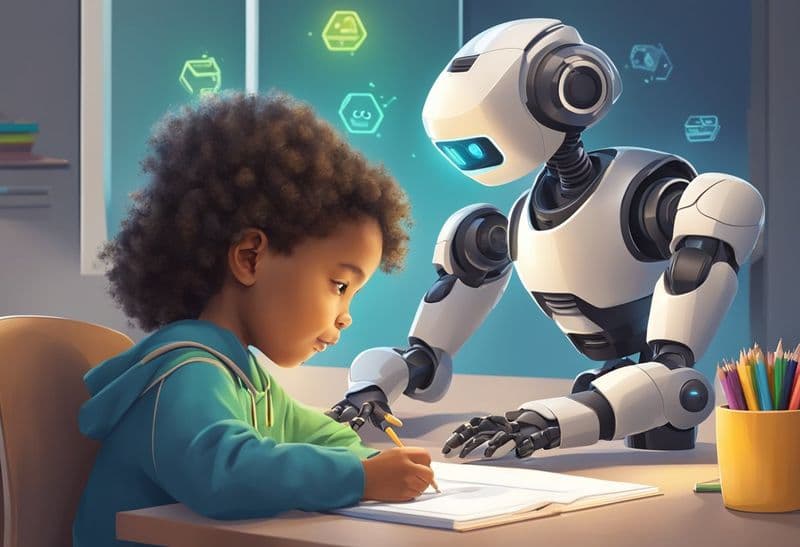
High School: Teenagers can use AI for exam prep, essay writing, and research guidance. I’ve guided students to generate detailed answers for homework problems, revise notes efficiently, and check accurate solutions while preparing for SAT or other assignments. AI becomes a powerful tool to enhance knowledge without replacing their effort

Tips for Parents: Supervising AI Use
I often share practical advice with parents to ensure responsible AI use:
Set device and time boundaries – I recommend 10–20 minutes of AI support per session. This prevents over-reliance and promotes focus on homework problems.
Review AI explanations – I personally go over my children’s AI-assisted solutions to ensure understanding and correctness. Checking detailed explanations together reinforces learning.
Encourage questions – AI is a homework helper when used interactively. I tell kids to ask “why” and “how” rather than just requesting direct answers.
Maintain open communication – I discuss key concepts, lesson plans, and tough concepts with my students to monitor progress and provide additional guidance.
Real-Life Success Stories
I’ve personally seen students transform their learning with responsible AI use:
Case 1: My cousin struggled with math problems in middle school. She started using an AI homework solver to understand step by step explanations. Within weeks, she gained confidence, solved difficult concepts, and improved her grades without copying direct answers.
Case 2: A high schooler use AI tools for essay writing. Instead of generating essays, he asked for detailed explanations and feedback. He then wrote his own homework independently, which improved his writing skills and exam performance.
Case 3: A student preparing for SAT exam prep used AI tools to revise key concepts across various types of STEM problems. Using AI as a study buddy, he was able to study smarter and reduced frustration during homework sessions.
FAQs About Kids Using AI for Homework
Is AI homework help safe?
I always reassure parents that AI is safe if used responsibly. Using AI to clarify key concepts, solve math problems, or check accurate answers is completely fine. AI tools are great tools for students learning at all levels.
Can kids become dependent on AI?
Yes, if unchecked. I recommend time limits and encouraging children to attempt homework problems independently after receiving step by step explanations from AI. This reinforces learning while avoiding dependency.
Are AI homework helpers accurate?
Mostly, but I’ve found occasional errors. I always advise students to verify accurate solutions with textbooks or teachers. Using AI as a study assistant promotes critical thinking.
Should schools ban or embrace AI?
I believe schools should embrace AI responsibly. Students can use AI for lesson plans, detailed solutions, and homework AI assistance while maintaining ethical AI use homework practices.
What are the best free AI homework tools?
I personally recommend Khanmigo, Photomath, Socratic, ChatGPT, StudyMonkey, and Quillionz. They provide instant solutions, detailed answers, and help kids study smarter across various types of homework problems.
Conclusion: Empowering Kids with AI, the Right Way
From my personal experience, AI can be a powerful tool for learning if used ethically. I’ve seen children improve grades, reduce stress, and build confidence by using AI responsibly. The key is to focus on understanding key concepts, step by step explanations, and using AI as a study buddy rather than a replacement.