Teaching Kids About Ethical AI
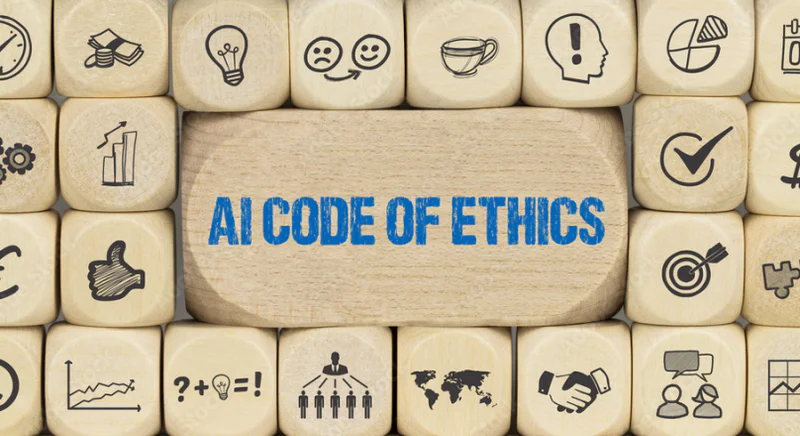
The more time I spend working in the digital world, the more I realise how quietly artificial intelligence has blended into our daily routines. I catch myself relying on AI to write reminders, recommend articles, or even suggest music depending on my mood. And every time I see how effortlessly these systems shape my choices, I’m reminded of one uncomfortable truth: AI isn’t just a tool anymore — it’s a powerful influence. That’s why understanding AI ethics has become not just relevant, but necessary.
We’re living in a time where AI can summarise complex documents within seconds, identify patterns that humans overlook, and make predictions with astonishing accuracy. But it can also reflect biases hidden in data, make decisions that feel strangely “cold,” or automate processes in ways that raise serious questions about ai systems, fairness, privacy, and responsibility. This dual nature fascinates me — it’s what made me dive deeper into the ethical principles that guide AI’s growth and its real-world impact on society. Because whether we notice it or not, we are already part of an ecosystem shaped by algorithms.
When I think about the future, I can’t help but imagine classrooms where children learn alongside AI tutors, hospitals where diagnostics are aided by advanced machine learning tools, and workplaces where human decisions are supported (or challenged) by intelligent systems. These innovations are exciting, but they also make me pause. What happens when an AI system unintentionally discriminates? Who is responsible if an automated decision affects someone’s rights or opportunities? What safeguards should be in place to ensure that as AI grows more capable, it doesn’t lose sight of the values that define us as humans?
For me, exploring the ethics of artificial intelligence isn’t about technical jargon or academic theories — it’s about asking the right questions. It’s about understanding how transparency, fairness, accountability, and respect for human dignity must act as the foundation for every AI system we design or use. The more I learn, the clearer it becomes that AI doesn’t exist in isolation; it impacts real people, real communities, and real futures.
In this blog, I want to break down these essential ethical principles in a simple, relatable way — the way I wish someone had explained them to me when I first started exploring the world of AI. Because if we truly want AI to empower society, we must first understand how to guide it with intention, empathy, and responsibility.
Teaching Kids About Ethical AI: Raising Responsible Digital Citizens
The first time a child asked me, “Can AI think like me?” I genuinely paused. Moments like these remind me how deeply ai technology has entered children’s lives. They interact with ai tools before they even understand what a login ID means. They watch videos recommended by ai algorithms, learn from personalized apps powered by machine learning, and unknowingly feed training data into various intelligent systems.
And that’s exactly why ai ethics is no longer an optional topic reserved for engineers or policymakers — it’s something our children must grow up understanding. If we truly want to promote ai ethics, help them navigate the ethical implications of the digital world, and encourage responsible ai use, we must start early. We must also be honest about potential risks, ethical challenges, and how ethical principles guide every stage of the ai lifecycle.
As someone who has worked closely with kids and technology, I’ve seen how naturally curious they are about artificial intelligence. They ask questions adults shy away from. They push back, challenge systems, and even spot ai biases better than grown-ups. And honestly, this gives me hope — because today’s kids are tomorrow’s ai researchers, designers, innovators, and maybe even the creators of the world’s most trustworthy ai solutions.
Let’s explore how we can raise children who don’t just use AI — they understand it, question it, and care about building systems that respect human rights, uphold human dignity, and protect civil liberties.
Why AI Ethics Education Matters for Today’s Children
Whenever I talk to parents, I hear the same worry: “Isn’t teaching ai ethics too complicated for kids?”
But the truth is, kids already live inside a digital ecosystem governed by ai systems, ai development, and ai applications. If they don’t understand the ethical considerations behind these technologies, they become passive users who accept whatever the algorithm decides. And that’s where ethical concerns, ethical issues, and even unethical outcomes begin.
I’ve watched kids notice things adults ignore — from real world biases in games to how recommendation engines reinforce historical biases. They are sharp observers of human judgment, fairness, and moral principles. Teaching them the ethics of ai and the ethics of artificial intelligence helps them grow from consumers into thoughtful, ethical digital citizens.
Preparing Kids for an AI-Driven Future
The future workforce — including fields like human resources, design, healthcare, and research — will depend heavily on ai programs, ai solutions, and proper data governance. Children today will someday work alongside technology companies, business leaders, and even government officials shaping ai regulation and government regulation worldwide.
They deserve to understand how:
human oversight keeps AI accountable
responsible ai frameworks prevent harmful consequences
data privacy, data security, and data protection keep them safe
algorithmic bias impacts real people
ai governance ensures transparency
ai adoption influences business outcomes
If we don’t teach kids about ethical standards, ethical framework models, and risk based approach systems now, we may raise a generation that trusts technology blindly. Our goal is to help every child grow up with strong awareness of the ai lifecycle, ai risks, security risks, and potential consequences of misusing AI.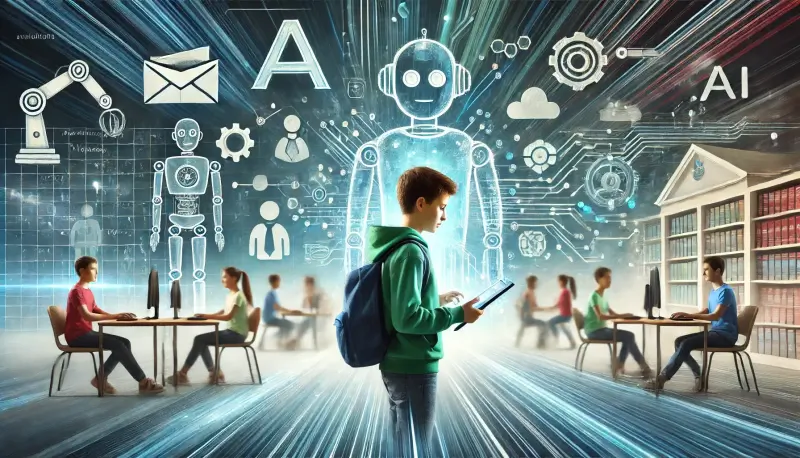
I believe kids are fully capable of learning these ideas — especially when we make them relatable.
The Fundamentals: What Is Ethical AI?
One of the easiest ways I explain ethical ai to kids is through a simple idea:
“AI is smart, but it doesn’t understand feelings unless we teach it the right values.”
Children immediately get it. They know emotions, fairness, safety, and kindness better than adults do sometimes. When we introduce ethical use of AI early, we let them see how human intelligence complements automated intelligence.
Core Principles of Ethics in AI for Young Minds
Here are the values I teach children when exploring the ethical questions behind emerging ai technology:
1. Fairness & Bias Awareness
Kids instantly grasp fairness. When I explain how ai biases happen due to flawed training data or human biases, they react strongly — “That’s not right!”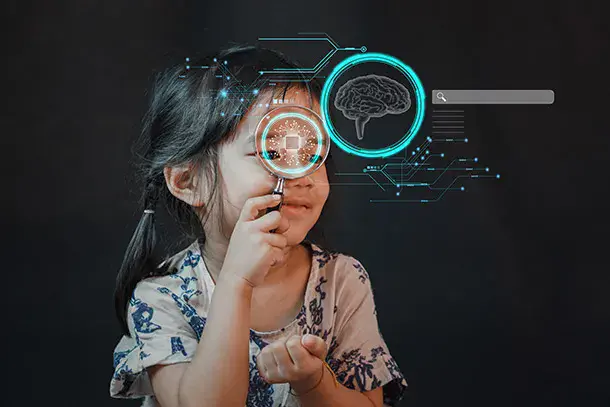
Exactly. That instinct is how we build trustworthy ai systems later.
2. Transparency & Accountability
I tell kids that ai models should be like clear glass jars, not black boxes.
If a system makes a decision, users deserve to know why.
This prepares them for dealing responsibly with future ai news and ai research findings.
3. Privacy & Protection
Kids understand secrets. Explaining data collection, data privacy, and data governance through simple examples (like diary entries) works beautifully.
They learn why technology companies and the private sector must protect user data.
4. Safety & Human Oversight
I always emphasize that no AI should ever endanger human life.
This is why human oversight remains vital in areas like self driving cars, healthcare, and robotics.
5. Respect for Human Rights
Teaching AI to be ethical means teaching it to respect human rights, uphold human dignity, and avoid harmful consequences. Children naturally connect these values to kindness and empathy.
Age-Appropriate Approaches to Teaching AI and Ethics
Kids learn best when teaching aligns with their developmental stage. I’ve seen how age-wise framing helps them absorb concepts related to the ethics of ai, fairness, and safe decision making.
Elementary vs. Middle School Frameworks
For Ages 6–10 (Elementary Level)
This is the perfect time to introduce:
Stories about robot helpers
Examples of fairness and bias
Conversations about privacy
Simple models of how ai tools think
At this level, I relate AI to friendships, honesty, and sharing. Kids don’t need technical depth — they need emotional understanding.
For Ages 11–14 (Middle School)
This is when deeper discussions begin. Kids can explore:
How ai algorithms learn
How ai programs run
Why ethical considerations matter
Where ethical challenges arise
How ai governance protects society
Middle schoolers love debating whether ai solutions in schools, games, or apps are fair. These conversations prepare them for making informed choices as future leaders.
Practical Activities to Explore Ethics of AI with Children

Here are activities I’ve personally used with children to help them understand the ethics of artificial intelligence, fairness, and responsible ai use.
Activity 1: “Fair or Unfair?”
Present scenarios influenced by ai systems:
A game rewards certain players unfairly
A voice assistant mispronounces certain names
A recommendation engine pushes only popular content
Students vote: Fair or unfair?
This opens powerful conversations about ai development, ethical concerns, and real world biases.
Activity 2: Build a “Mini AI”
Kids act as AI. Their classmates provide “data,” and the “AI” makes decisions.
They immediately see how biased training data creates unethical outcomes.
Activity 3: AI Safety Rules

Ask them to write an ai code for safety:
Protect data
Respect privacy
Avoid unfair decisions
Require human oversight
Never endanger human life
This activity helps kids articulate ethical principles and recognize the value of responsible ai.
Activity 4: Storytelling with Ethical Plot Twists
Kids write stories about intelligent systems, maybe even self driving cars, making mistakes and learning from human judgment.
They love adding drama — and they learn a LOT.
Activity 5: Real-World Ethical Scenarios
Present situations involving:
data security breaches
misuse in ai applications
biased hiring tools used by the private sector
ai regulation in the European Union
Children explore how support governments, businesses, and many technology companies handle ethical issues.
This helps them understand why ai governance and ethical standards matter in the real world.
From Consumers to Creators: Empowering Kids to Build Ethical AI
Most kids only use artificial intelligence, but we should empower them to build and evaluate it. They must learn to question ai technology, spot potential risks, and understand how ethical framework models guide safe ai development.
Why This Matters

When kids shift from consumers to creators, they begin to:
Think critically
Notice ethical implications
Evaluate human rights impact
Identify ai risks
Contribute to responsible ai
They also understand why government regulation, oversight, and data protection matter. They even start imagining how their own ai systems can support human rights, social justice, fairness, and safety.
This is the generation that will design future ai solutions — hopefully with compassion.
FAQ
At what age should children begin learning about AI ethics?
Kids can learn ai ethics as early as age 6. Begin with fairness, kindness, machine learning privacy, and respect. As they grow, introduce ethical considerations, bias awareness, and ethical implications behind advanced ai models.
How do I explain complex ethical AI concepts to young children?
Use stories, ai code role-play, and simple examples. Compare ai tools to helpers who make mistakes without proper human oversight. Replace complicated AI jargon with relatable emotional situations.
What warning signs show my child needs guidance?
Watch for:
Blind trust in ai applications
Oversharing online
Imitating unfair algorithmic behavior
This is a cue to discuss potential consequences and ethical use of technology.
How can parents stay informed?
Stay updated with ai news, ai research, and safety guidelines issued by the European Union, educators, and technology companies. Join groups that discuss digital parenting and ethical tech.
How does learning ethics improve STEM education?
Ethics strengthens:
Logic
Problem-solving
Empathy
Awareness of ethical challenges
Thoughtfulness in ai development
It helps kids grow into innovators who design AI that respects human dignity and protects civil liberties.